

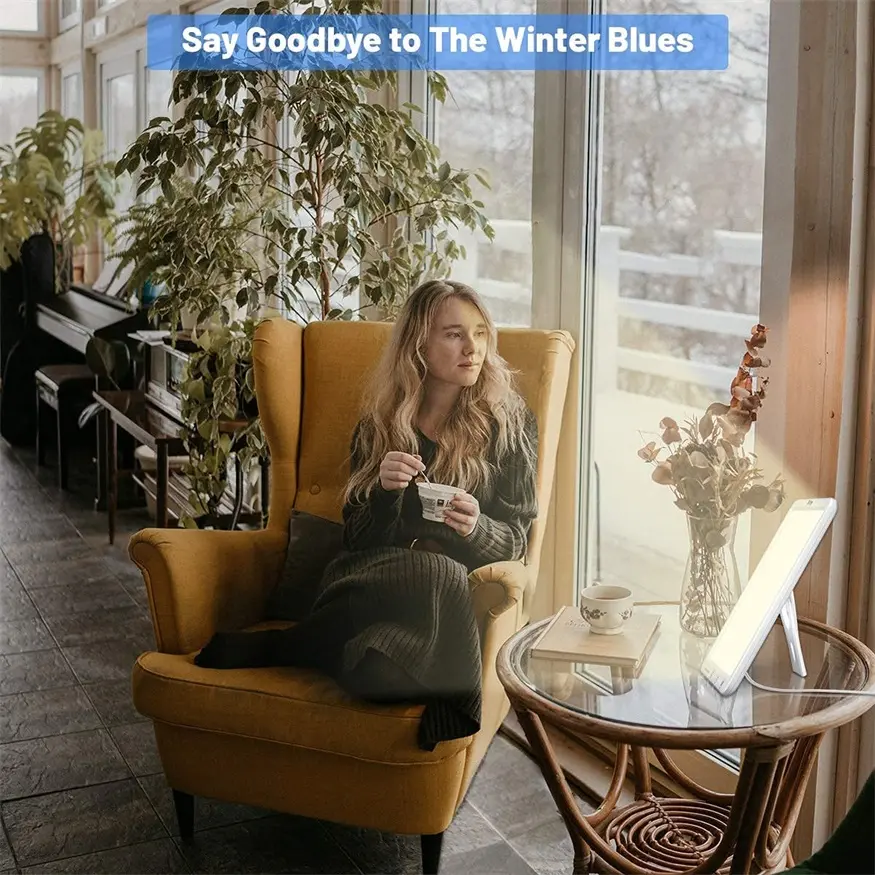
Seasonal Affective Disorder (SAD) is a type of depression that occurs at a specific time of year, typically during the winter months when daylight hours are shorter. This condition affects many people, leading to symptoms such as fatigue, low mood, and changes in sleep and appetite. One effective treatment for SAD is the use of SAD lamps, also known as light therapy lamps. These devices are designed to simulate natural sunlight, helping to alleviate symptoms and improve overall well-being.
1. Understanding Seasonal Affective Disorder (SAD)
SAD is a form of depression linked to seasonal changes, usually manifesting in the fall and winter months. The reduced exposure to natural sunlight during these times can disrupt the body's internal clock and affect neurotransmitter levels, particularly serotonin and melatonin. This disruption is believed to contribute to the symptoms of SAD.
2. How SAD Lamps Work
SAD lamps, also referred to as light therapy lamps, are designed to mimic natural sunlight. They emit a specific type of light that is bright enough to influence the body’s circadian rhythms and biochemical processes. The key features of these lamps include:
-
Brightness: SAD lamps typically provide a brightness of 10,000 lux, which is significantly brighter than standard indoor lighting. This intensity is necessary to effectively influence the body’s internal clock.
-
Light Spectrum: These lamps emit light that closely resembles natural sunlight, with a color temperature around 5,000 to 6,500 Kelvin. This spectrum is crucial for mimicking the effects of natural daylight.
-
UV-Free: Most SAD lamps are designed to be UV-free to avoid potential skin damage and other health risks associated with ultraviolet light.
3. Benefits of Using SAD Lamps
The primary benefits of using SAD lamps for managing Seasonal Affective Disorder include:
-
Regulation of Circadian Rhythms: Exposure to the bright light from SAD lamps helps regulate the body's internal clock, improving sleep patterns and overall energy levels.
-
Improvement in Mood: The light from SAD lamps can increase serotonin levels in the brain, which helps to elevate mood and alleviate symptoms of depression.
-
Enhanced Energy Levels: Regular use of SAD lamps can reduce feelings of fatigue and lethargy, leading to increased energy and motivation.
4. Proper Usage and Recommendations
To achieve the best results, it is important to use SAD lamps correctly:
-
Timing: The optimal time for light therapy is usually in the morning, as soon as you wake up. This timing helps to regulate your circadian rhythms and aligns with natural light patterns.
-
Duration: Sessions typically last between 20 to 30 minutes, depending on the intensity of the lamp and individual needs. Consistent daily use is recommended for best results.
-
Distance: Users should sit at a recommended distance from the lamp, usually around 16 to 24 inches, to ensure effective light exposure.
-
Consultation: It is advisable to consult with a healthcare professional before starting light therapy, especially if you have any pre-existing medical conditions or are taking medications.
5. Effectiveness and Research
Numerous studies have demonstrated the effectiveness of light therapy in managing SAD. Research indicates that light therapy can significantly improve symptoms of depression and enhance overall quality of life. It is considered a safe and non-invasive treatment option with few side effects.
6. Considerations and Limitations
While SAD lamps are beneficial for many, they may not be suitable for everyone. Some considerations include:
-
Individual Variability: Responses to light therapy can vary among individuals, and some may require adjustments in timing or duration to achieve optimal results.
-
Side Effects: Potential side effects of light therapy include eye strain or headaches. These are usually mild and can be managed by adjusting the duration or intensity of light exposure.
-
Not a Cure-All: While effective, light therapy may not address all aspects of SAD or other forms of depression. It is often used in conjunction with other treatments such as medication or counseling.
7. Choosing a SAD Lamp
When selecting a SAD lamp, consider the following factors:
-
Brightness and Light Spectrum: Ensure the lamp provides 10,000 lux of brightness and has a light spectrum that mimics natural daylight.
-
Design and Features: Look for features such as adjustable brightness levels, timers, and portability to suit your needs and preferences.
-
Certification: Choose lamps that are certified for safety and efficacy, and consider reading user reviews and professional recommendations.
Conclusion
SAD lamps offer a valuable tool for combating Seasonal Affective Disorder by simulating natural sunlight and helping to regulate circadian rhythms. By understanding how these lamps work and following proper usage guidelines, individuals can effectively manage their symptoms and improve their overall well-being during the challenging winter months. As with any treatment, consulting with a healthcare professional is recommended to tailor the approach to individual needs and ensure the best possible outcomes.