

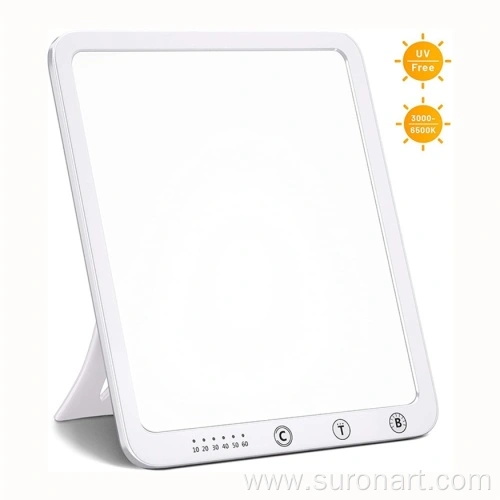
The light produced by light therapy lamps simulates the spectrum of sunlight, especially blue and white light. This light can affect the body's internal biological clock and neurotransmitters, thereby regulating mood and sleep. Light enters the brain through the retina and stimulates the pineal gland to release melatonin, which regulates sleep cycles and mood states.
The therapeutic effect of phototherapy lamp on SAD:
Multiple studies have shown that light therapy lamps have significant effects on relieving SAD symptoms. In general, light therapy treatments used for 30 minutes to an hour per day can improve patients' mood, sleep, and energy levels. The therapeutic effects of a light therapy lamp usually begin to show within a week of treatment, but some patients may take longer to feel noticeable improvements.
How to apply phototherapy lamp:
Time: The best time to use it is the first few hours after getting up in the morning, because the effect of the light therapy lamp at this time can simulate natural sunlight, regulate the biological clock and improve alertness.
Distance: Users should sit 12 to 18 inches from the light therapy lamp and keep their eyes level with the light source to ensure they are receiving enough light.
Frequency: It is generally recommended to use a light therapy lamp for 30 minutes to 1 hour per day for several weeks to the entire season.
Things to note about phototherapy lamps:
Avoid staring directly at the light source during use to avoid adverse effects on your eyes.
Light therapy lamps should not replace normal outdoor activities, but should be used as a supplement to daily life.
People with eye disease or certain health conditions should seek medical advice before using a light therapy lamp.